

Why Charging Bikers Rs 905 to Ride India's Newest Expressway Is Smarter Than Banning Them Off It
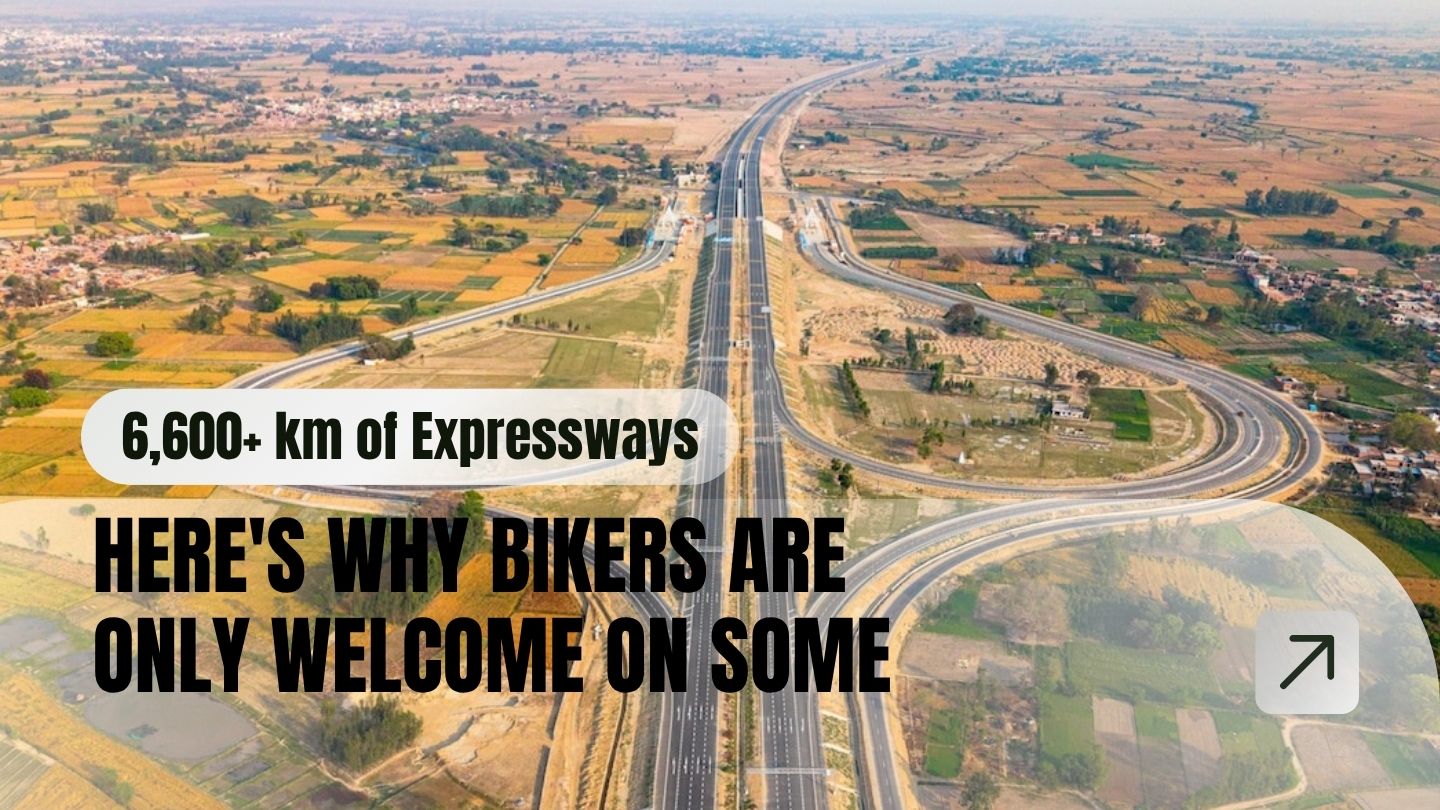
India just opened 594 kilometres of controlled-access highway. Two-wheelers are invited. And the toll might be the most important part.
When the Ganga Expressway was inaugurated, most of the headlines focused on the cars. The ₹1,800 one-way toll for a car. The 11-hour journey cut to 6. The industrial corridors. The GDP projections.
Bikers barely got a mention.
But buried in the fine print was something that should matter deeply to every motorcyclist in India: two-wheelers can ride the Ganga Expressway. The toll is ₹905 one-way.
That's it. That's the news. And it's bigger than it sounds.
First, Some Context on Where We Stand
India's expressway network has grown from 558 km in 2013–14 to over 6,640 km today - a 12x expansion in just 12 years. By 2025–26, that number is projected to cross 7,000 km.
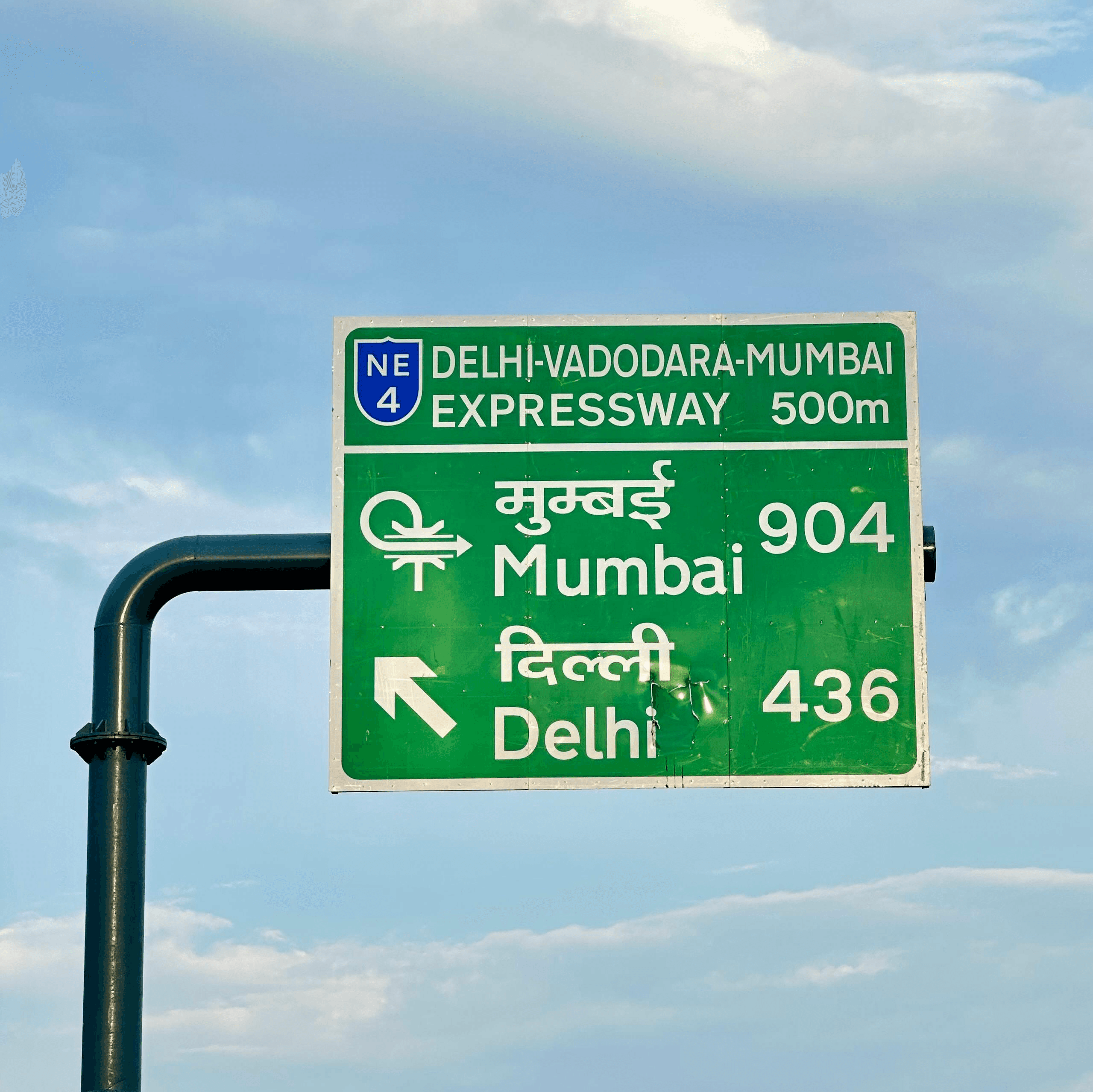
Yet if you're a motorcyclist, you've probably run into this experience: you approach an expressway on-ramp, and there's a sign. No entry for two-wheelers.
Sometimes there isn't even a sign. You find out at the toll booth. Or worse, mid-ride, when enforcement turns you back.
The Yamuna Expressway. Stretches of the Delhi-Mumbai Expressway. Parts of the Eastern Peripheral. Banned. No explanation. No alternative. No timeline for reconsideration.
Same rider. Same bike. Neighbouring road. Different rules.
It's arbitrary. It's inconsistent. And for a country with over 200 million registered two-wheelers — the largest motorcycle market in the world — it's an embarrassment of policy.
The Argument Against Bikes on Expressways (Let's Actually Address It)
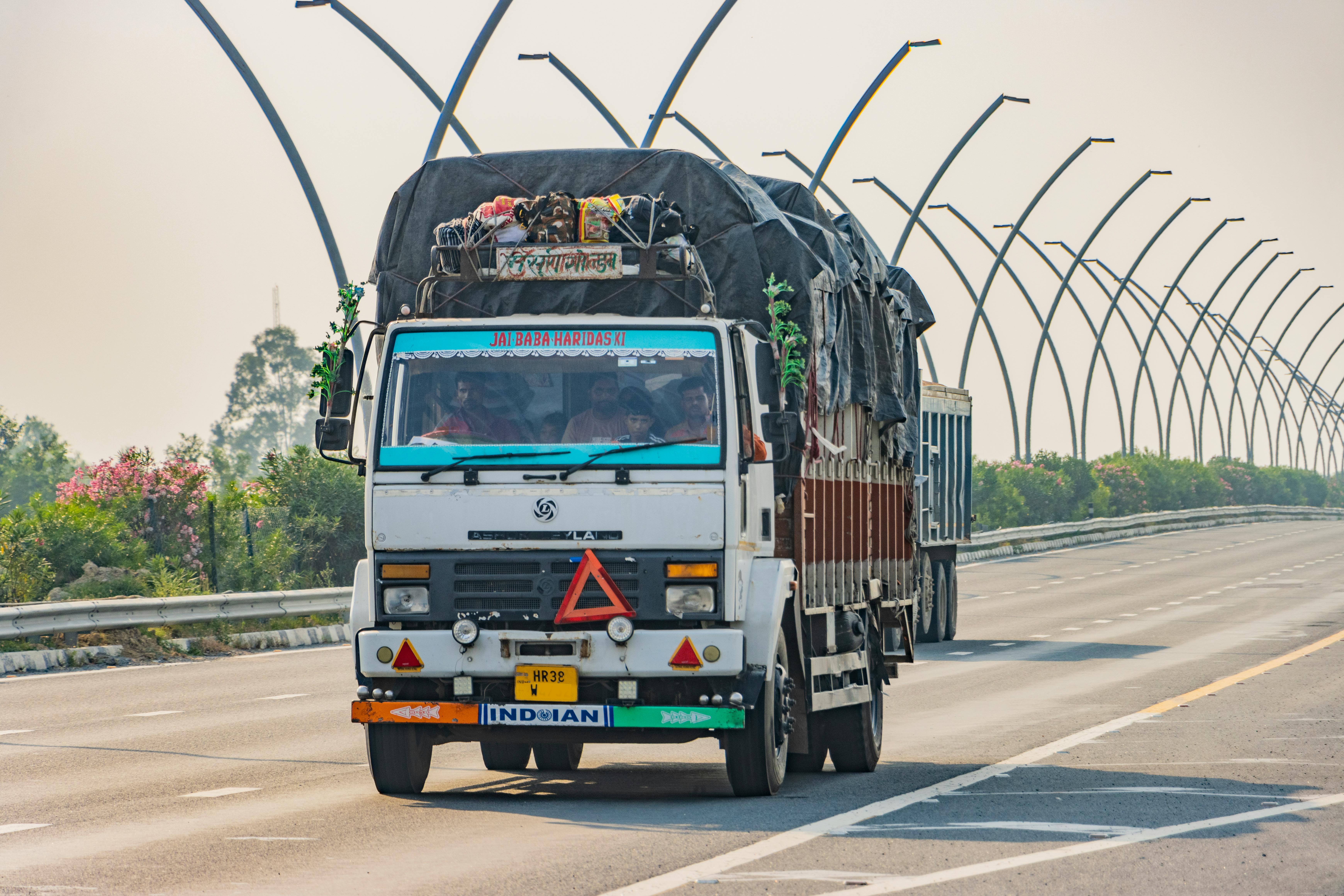
The standard objection goes like this: motorcycles are slow, they create speed differentials, and speed differentials cause accidents.
It's not a dishonest argument. For a 100cc commuter doing 60 kmph on a corridor designed for 120 kmph, the concern is real. Mixing that traffic is genuinely dangerous.
But here's what that argument refuses to acknowledge:
Not all motorcycles are slow.
A Royal Enfield Himalayan cruises at 100–110 kmph without breaking a sweat. A Triumph Tiger, a BMW R 1250 GS, a Harley-Davidson Road King, a KTM 390 Adventure - these machines are built for exactly this: long-distance, open-road riding at expressway speeds.
The rider on an Indian Springfield with 70,000+ km on the odometer isn't a hazard. He's probably more alert, more experienced, and more road-aware than most of the car drivers sharing that corridor.
The problem was never the motorcycle. It was that our policy never bothered to distinguish between them.
And until we have the systems, the licensing tiers, the technology, and the public awareness to make that distinction at scale - we needed a bridge solution.
The Ganga Expressway just gave us one.
Why the Toll Model Is Actually Brilliant
₹905 sounds like a lot. For many, it is.
But that's precisely the point.
When the government prices expressway access for two-wheelers instead of banning them, something interesting happens:
It self-selects for serious riders. The person willing to pay ₹905 for a one-way highway run is not a commuter on a 100cc scooter. They're a leisure rider, a touring enthusiast, someone who understands highway riding and has chosen it deliberately.
It generates revenue. Governments don't ban things they can monetise. Every two-wheeler that pays that toll is a data point proving that motorcycle access is viable, sustainable, and worth protecting.
It creates accountability. Registered vehicles. Tracked entry and exit. FASTag integration eventually. This is how you build a record of incident rates, speeds, and behaviour — the exact data needed to shape better policy.
It organically filters traffic quality. Not through discrimination, but through economics. The clutter stays on the state highways. The expressway gets the riders who belong there.
It opens a door that a ban permanently shuts. You can negotiate with a toll. You can appeal a rate. You cannot easily reverse a ban once infrastructure and lobby interests calcify around it.
The Ganga Expressway: What Riders Actually Get
Let's talk about the road itself, because it deserves a proper brief.
Route: Meerut → Prayagraj Distance: 594 km - UP's longest expressway Design speed: 120 kmph Lanes: 6 (expandable to 8) Travel time: Reduced from 11 hours to 6 hours Average speed: 100 kmph
Infrastructure along the route:
Rest areas every 60 km
437+ underpasses
21+ flyovers
Trauma centres
Emergency airstrip
20+ EV charging stations
For touring riders, that rest area density alone changes everything. Every 60 km is a natural break point — refuel, hydrate, stretch, check your bike. That's thoughtful infrastructure, even if it wasn't designed with us specifically in mind.
The trauma centres are something we don't talk about enough. Rider safety on expressways isn't just about preventing accidents, it's about response time when something does happen. This corridor has it built in.
What Needs to Come Next
The toll model works as a bridge. But it can't be the final destination.
Here's what the biking community and policymakers should be pushing for:
A national two-wheeler expressway access policy. Not state-by-state decisions. Not highway-authority discretion. A clear, consistent framework that defines which motorcycles can access which roads, under what conditions, at what toll structure.
Engine displacement or speed-rating based classification. If a motorcycle is capable of 100+ kmph and meets basic safety specifications, it should be eligible for expressway access. That's a defensible, enforceable line.
Dedicated on-ramps and rest infrastructure for two-wheelers. Expressways were designed around four-wheeled geometry. Small adjustments like lane markings, rest area design, toll booth access can dramatically improve the two-wheeler experience.
Incident data collection. Every expressway that allows bikes should be tracking accidents, speeds, and incidents by vehicle type. That data, over time, becomes the strongest argument for expanding access.
Where Asteride Fits In
At Asteride, we're building the global platform that lets riders plan, track, connect, and ride better - anywhere in the world.
The Ganga Expressway is now on Asteride. Route planning, community ride coordination, live tracking for group rides, and the SOS layer that every solo highway rider needs — it's all there.
But beyond the features, this is what we're here for: to be the infrastructure for a riding culture that takes itself seriously. Because when riders show up organised, informed, and equipped, the argument for excluding us gets a lot harder to make.
India's roads are getting better. The bikes are getting better. The riders have always been ready.
Policy is the last thing left to catch up.
Tell Us What You Think
We want to hear from the community:
Would you ride the Ganga Expressway at ₹905 one-way?
Should expressway access be based on toll pricing, engine displacement, or both?
Which expressway do you want opened to bikes next?
Drop it in the comments, or join the conversation on the Asteride community.
Plan it. Ride it. Track it. 👉 www.asteride.co