

The Evolution of Motorcycle Design: A Timeless Ride Through Metal and Motion
Every motorcycle tells a story, not just of speed but of hands, hours and choices. From the honest, chest-thumping roar of early Bullets coaxed back to life in tin-roofed garages to the near-silent whirr of today’s electric machines, design has itself been on a long, remarkable ride. I’ve walked factory floors and leaned over roadside workbenches; I’ve seen sketches become steel and sweat become a neat weld. So roll up your sleeves, grease still under my nails, and let’s trace that journey from hammered tanks to precision geometry and see how two wheels came to carry our freedom, our craft and a stubborn, human soul.
The Birth of the Machine: Simplicity with Soul (1900s–1950s)
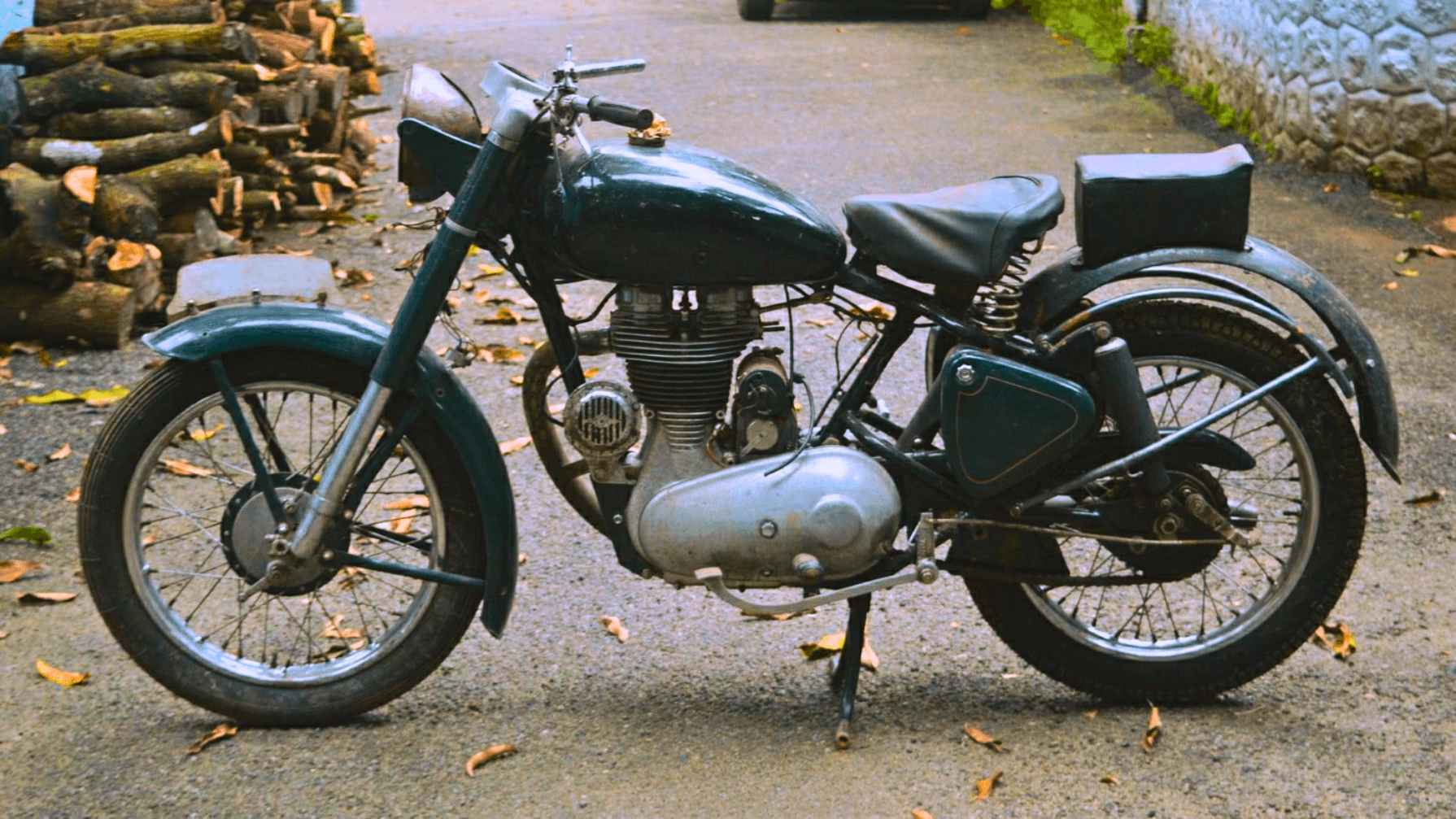
Picture the world after the Great War. Roads were nothing but dust and stones, tools were scarce, and every machine wore its honesty proudly. Those first motorcycles weren’t born from luxury but from necessity , people used bicycles with an engine strapped on, built to move men and dreams further than before. Thick steel frames, round lamps cutting through fog, and carburetors that breathed in plain sight , with that every part had a job to do, nothing more, nothing less.
Back then, designers weren’t sitting behind monitors; they were craftsmen with soot on their hands and vision in their eyes, hammering metal into motion. Names like the Royal Enfield Bullet, BSA Gold Star, and Indian Scout weren’t just models , they became iconic, they were milestones of human grit. In India, the Bullet didn’t just roll; it became a companion, its steady thump echoing through empty plains, narrow alleys, and hearts alike.
Everything on those machines had a reason. Big, cushioned seats for long hauls, wide handlebars that answered every twist, chrome that fought off rust and rain. No fairings, no wind tunnels, no digital blueprints, just unfiltered craftsmanship and the kind of beauty that comes only when form follows purpose.
The 1960s–1980s: Style, Speed, and the Age of Character
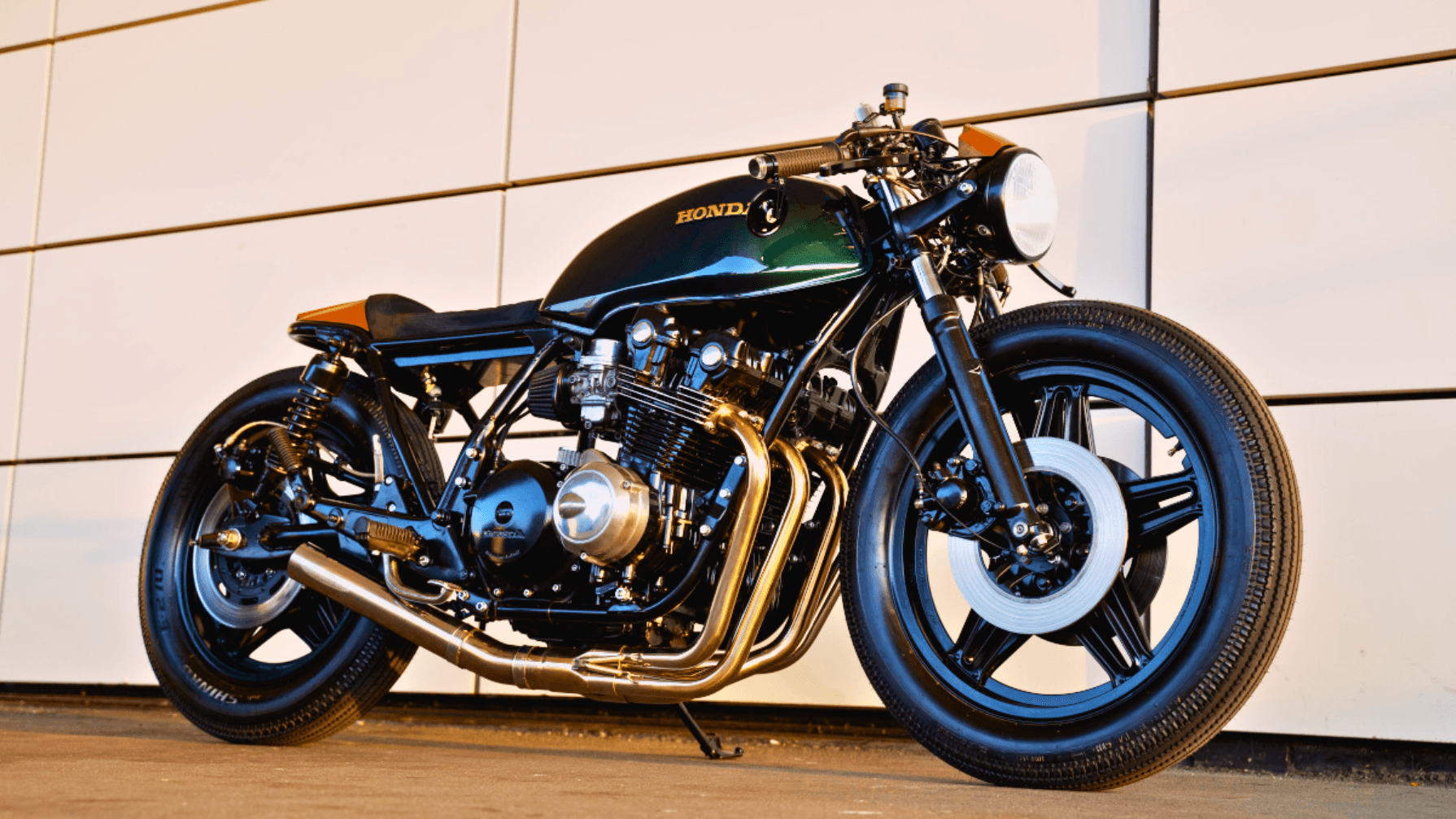
The world began to dream faster. Cinema and pop culture made motorcycles cool, with images of Marlon Brando in The Wild One or Steve McQueen flying over fences inspiring an entire generation. Design started following attitude. Tanks became sleeker, chrome shimmered in the sun, and the idea of a motorcycle having its own personality was born.
Japan stepped in and changed the game. Honda, Yamaha, Kawasaki, and Suzuki brought reliability, lighter builds, and bold color schemes. Lines softened into curves, fuel tanks were sculpted for both form and function, and headlamps became smaller and sharper. Bikes like the Yamaha RD350 and Honda CB750 captured the imagination of riders everywhere.
In India, the roads vibrated with the rumble of Yezdi, Rajdoot, and Jawa. These bikes balanced rugged design with daily usability. They were not just transport; they were statements of style. Every rider had stories of long rides, roadside repairs, and breakdowns overcome with skill and patience.
The motorcycle design language of this era had soul. Every dent, every kick-start, every scratch told a story and added character to the machine.
The 1990s: From Icon to Everyday Companion
As India opened up and cities began to buzz with life, motorcycles evolved to match the urban rhythm. The 1990s brought a shift from heavy steel frames to lightweight alloys and from round lamps to sleeker, more aerodynamic fairings.
Riders welcomed models like the Hero Honda Splendor, TVS Suzuki Shogun, and Yamaha RX100. Bikes was compact, efficient machines built for practicality. Fairing edges softened into smooth curves, helping with fuel efficiency, while bold colors like electric blue, red, and yellow reflected the optimism of a new generation of riders.
On a global scale, this was the era of compact sport design. Bikes became smaller, sharper, and more aggressive. Wind tunnel principles started shaping motorcycles into streamlined machines. Yet, despite the new angles and curves, every design still kept the rider in mind which is focusing on comfort, control, and that vital connection between man and machine.
The 2000s: The Age of Muscle and Performance
Then came a revolution with the Bajaj Pulsar. For Indian riders, it was more than a bike; it was a statement of attitude. Its muscular tank, twin-tone decals, and streetfighter stance made it impossible to ignore and instantly recognizable on every street and highway.
Design had entered a new phase! Bikes becme bold, confident, and packed with technology. Split seats, digital meters, projector lamps, and monoshocks showed what Indian motorcycles could aspire to. The TVS Apache, Hero Karizma, and KTM Duke quickly followed, each pushing the envelope of design and performance, raising the bar for riders across the country.
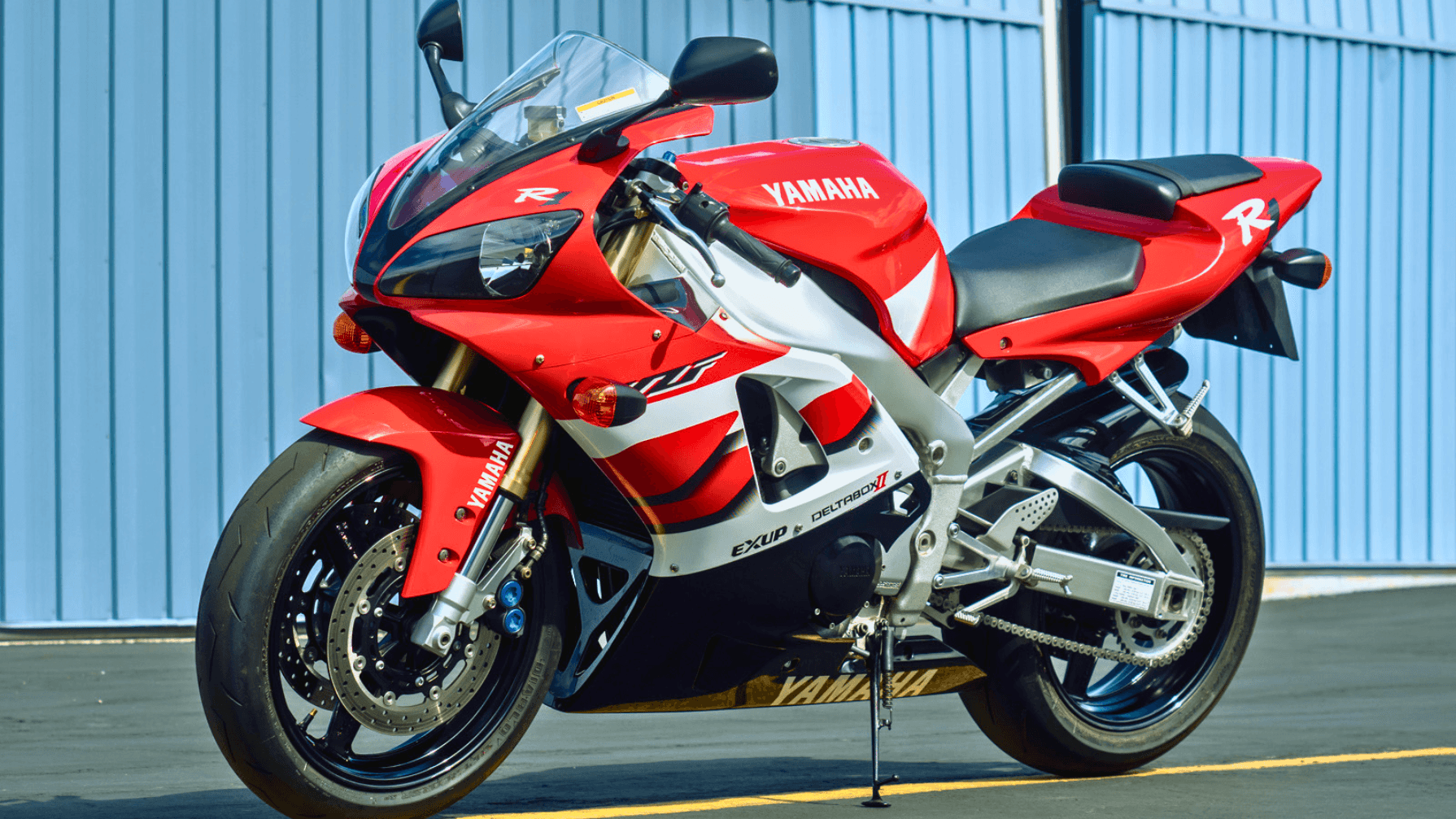
Across the globe, legends like the Yamaha R1, Suzuki Hayabusa, and Ducati 999 were redefining aerodynamics. Lines sharpened, surfaces were sculpted for airflow, and every angle had intent. The move from carbureted roundness to fuel-injected precision highlighted how design was no longer just aesthetics, the 2000 era of boldness, muscle and performance , the vibe was brought to life.
By now, motorcycles were not just about freedom. They became a canvas for expression, speed, and identity, where every curve and contour told a rider’s story.
The 2010s: When Design Met Technology
By the 2010s, motorcycle design had grown far beyond just looks. Integration became the new mantra , dashboards went digital, fairings became angular, LED headlights brightened every ride, and aerodynamic tail sections sliced through the air with purpose. Materials like carbon fiber and aluminum alloys replaced heavier steel, making bikes lighter without compromising strength.
The Royal Enfield Interceptor 650 revived nostalgia with a modern twist, while the TVS Apache RR310 brought track-inspired geometry to Indian roads. Meanwhile, scooters like the Ather 450X and Bajaj Chetak Electric introduced riders to sleek, futuristic designs in urban mobility. Globally, sportbikes like the Yamaha R3, Kawasaki Ninja 400, and Ducati Monster 821 pushed innovation further, combining electronics, ABS, and traction control for a safer, more thrilling ride. Adventure bikes such as the BMW GS series and KTM Adventure 390 became popular among touring enthusiasts, blending ruggedness with long-distance comfort.
Aerodynamics in this era wasn’t just for speed — it became a language of design. Every curve, vent, and edge told a story of precision engineering and aesthetic intent, making the bike a machine you could feel and admire, not just ride.
Today and Beyond: The Future Is Electric, But the Soul Remains
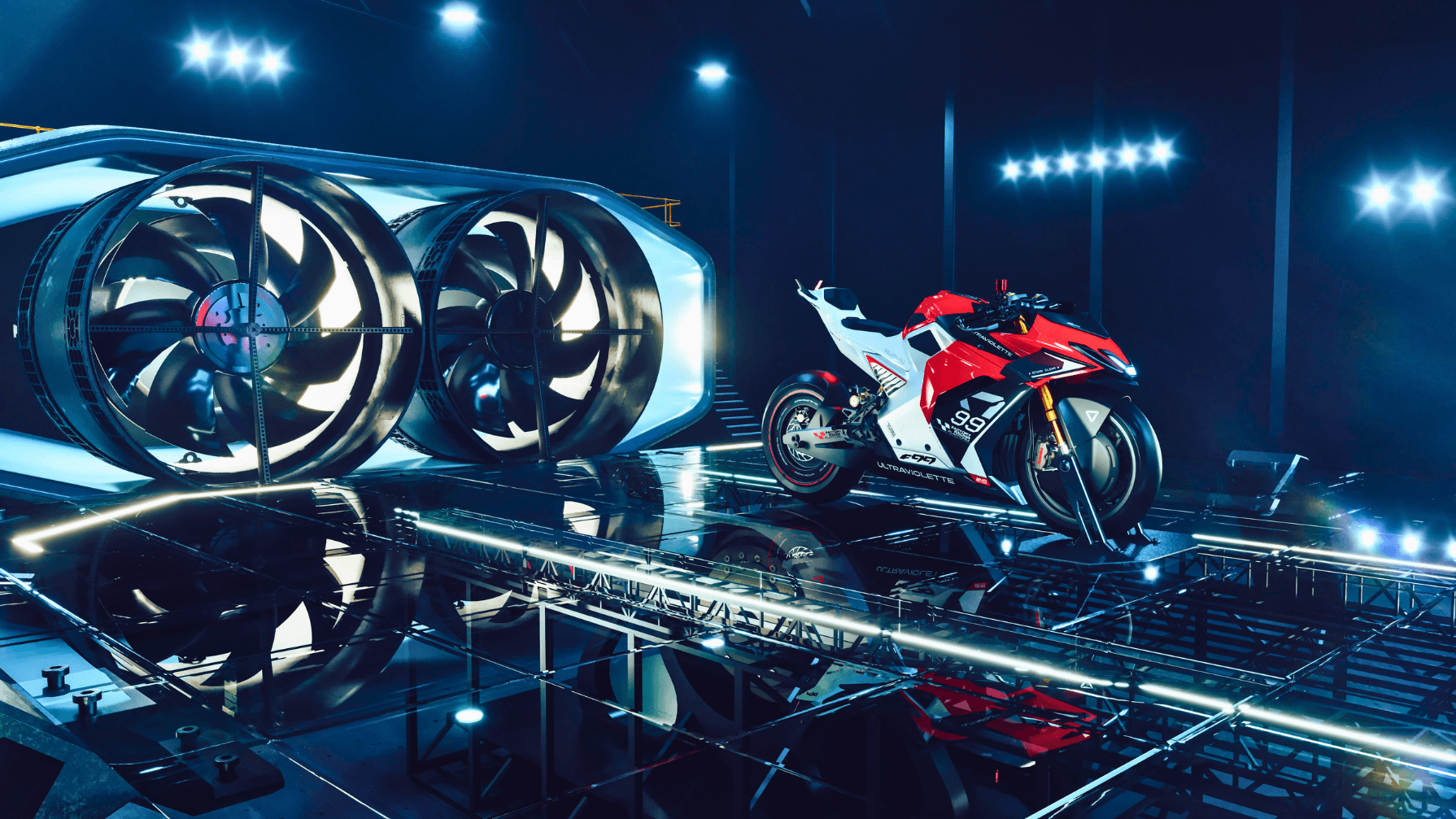
Now we are stepping into an era where motorcycles are not just machines but partners that think, adapt, and even communicate with their riders. The electric vehicle revolution has introduced a fresh design philosophy built around minimalism and clean symmetry. Bikes like the Ultraviolette F77, Revolt RV400, and Oben Rorr exemplify this shift, with compact frames, whisper-quiet motors, and sharp LED profiles that could easily belong in a sci-fi world.
Designers today are no longer confined to shaping space around a bulky engine block. They craft the flow of form itself, hiding battery compartments under sculpted fairings, replacing steel with lightweight alloys, and integrating smart dashboards that bring digital intelligence to the analog joy of riding.
Yet, even as materials, powertrains, and aerodynamics evolve, the soul of motorcycle design remains unchanged. It is still about freedom. Whether it’s a 1950s Bullet rolling through village lanes or a 2025 electric hyperbike leaning into a mountain corner, the thrill of wind against your jacket and the intimate connection between rider and machine endures, timeless and unforgettable.
The Timeless Bond: Design That Connects Rider and Road
The true beauty of motorcycle design lies in its emotion. Riders connect not to numbers or specs, but to shape and sound, to feel and flow. The curve of the tank where your knees find grip, the way the handlebar responds to your touch, the headlamp cutting through the evening light, all these are sensory stories that speak across generations is what makes a bike loved by everyone forever.
Every evolution in design is more than just aesthetics; it is cultural. From post-war survival machines to post-modern expressions of personality and technology, motorcycles have mirrored the world around them while holding one constant: the romance of the ride.
So whether you are astride and comfort with vintage Bullet or a cutting-edge explosive Ultraviolette, remember this: your motorcycle carries a century of stories in its metal veins. It is not just evolution; it is art brought to life on two wheels.
Use Asteride to Ride Smarter
With the Asteride app, you can:
Plan rides easily - solo or with your crew
Discover new routes and riding groups across India
Stay updated with events, causes, and riding tips
Relive your rides with the Roadbook
📲 Download Asteride – Built for riders who care about every mile